News
From Polypropylene to Eco-Chic: The Artisanal Journey of Non-Woven Bags
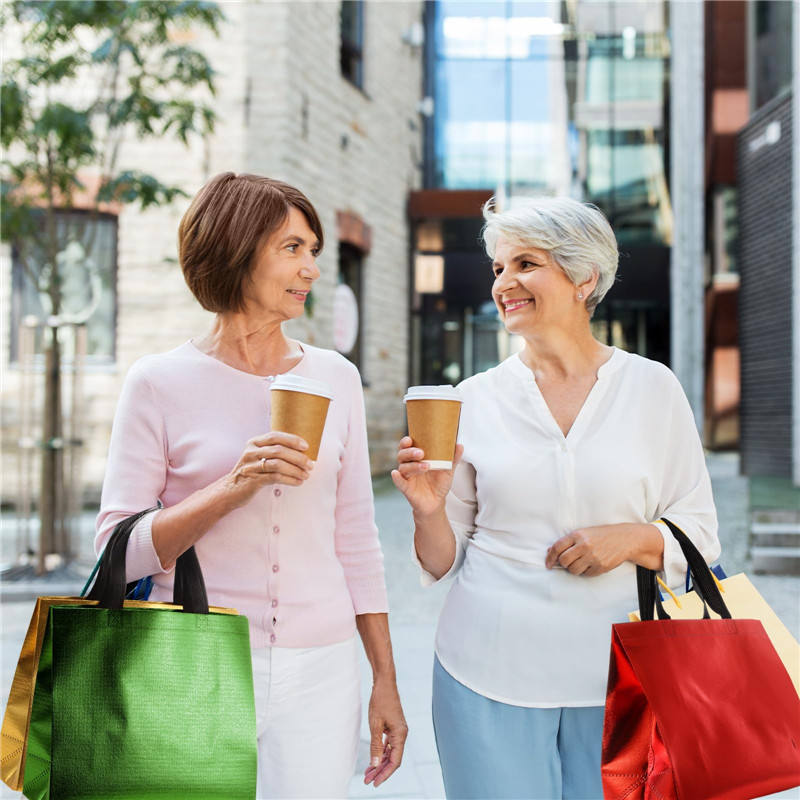
In an era where sustainability meets everyday elegance, non-woven bags have emerged as more than just eco-friendly alternatives—they are testaments to meticulous craftsmanship and green innovation. Behind every lightweight, durable tote lies a fascinating production journey that blends technology with environmental consciousness, turning simple polymers into companions for life’s daily adventures.
Step 1: Sourcing the Green Foundation
The journey begins with a thoughtful choice of raw materials, where polypropylene (PP) takes center stage—not just any PP, but often recycled or high-quality thermoplastic polymers selected for their durability and eco-credentials . These granules hold the promise of a bag that can withstand years of use while breaking down naturally after its lifecycle, unlike traditional plastics that linger for centuries . Some manufacturers even blend in recycled fibers or natural materials to enhance sustainability, ensuring every bag starts with a reduced environmental footprint.
Step 2: Spinning Fibers into Fabric
Next, the polypropylene granules undergo a magical transformation. Heated to molten perfection, the polymer is extruded through tiny spinnerets, forming continuous filaments that dance into the air like silken threads . This spinning process allows for precise control over fiber thickness—from delicate to robust—shaping the bag’s final texture and strength. For spunbond non-woven bags, these filaments are then laid randomly into a soft, web-like mat, creating a structure that’s both flexible and resilient . It’s a dance of precision, where technology ensures uniformity without sacrificing the fabric’s natural breathability.
Step 3: Bonding for Strength & Softness
The fiber web, now delicate as a cloud, needs reinforcement to become a sturdy bag. This is where bonding—one of the most critical steps—comes in. Manufacturers choose from three artisanal techniques: thermal bonding, where heat fuses fibers together for a smooth finish; mechanical bonding, using needle punching or hydro-entanglement to interlock fibers for extra durability; or chemical bonding for specialized textures . Ultrasonic welding, a modern twist, creates seamless bonds that are both strong and aesthetically pleasing, avoiding the need for excess adhesives . The result? A fabric that’s lightweight yet capable of carrying groceries, books, or essentials with ease.
Step 4: Cutting & Crafting the Perfect Silhouette
With the non-woven fabric ready, precision takes over. Automated cutting machines slice the material into tailored pieces—body panels, handles, and accents—following designs that range from classic totes to creative custom shapes . Waste is minimized here, with leftover scraps collected for recycling, embodying the circular economy ethos . Handles, a defining feature, are either heat-sealed, stitched, or ultrasonic-welded to the bag body, ensuring they can bear weight without fraying. It’s a marriage of functionality and design, where every cut and seam is intentional.
Step 5: Finishing Touches That Elevate
The final stage is where utility meets beauty. Non-woven bags undergo finishing treatments to enhance their appeal and performance: water-repellent coatings for practicality, vibrant screen printing or digital printing for branding or artistry, and dyeing for a spectrum of colors . For those seeking extra flair, 覆膜 (lamination) adds a sleek, waterproof layer while preserving the fabric’s soft touch . Quality checks ensure every bag meets standards—no loose threads, no weak bonds, just a product ready to accompany consumers on shopping trips, commutes, or adventures.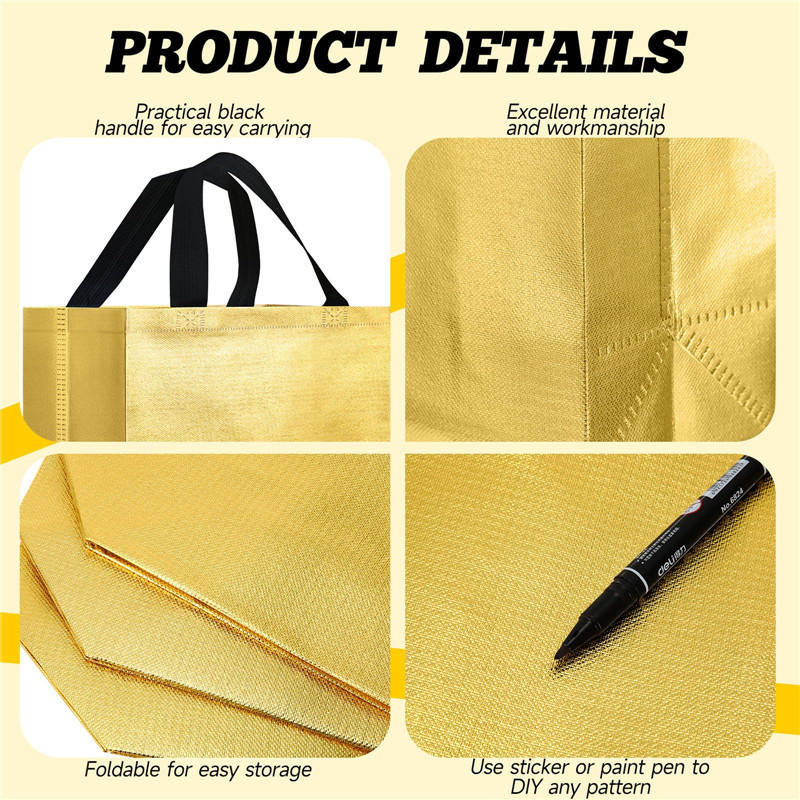
More Than a Bag: A Symbol of Conscious Craftsmanship
From molten polymer to finished tote, the production of non-woven bags is a testament to how innovation can honor the planet. Each step—from eco-conscious material selection to waste-reducing manufacturing—reflects a commitment to sustainability without compromising on quality or style. These bags aren’t just accessories; they’re choices: choices to reduce plastic waste, support responsible production, and carry a piece of craftsmanship that matters.
Next time you grab a non-woven bag, remember the journey it took—one of precision, care, and a vision for a greener world. It’s more than a bag; it’s a promise woven into every fiber.
Categories
Latest News
Contact Us
Contact: Cici Ren
Phone: 008618032032841
Tel: 008618032032841
Add: NO.113 Dongfeng road, Qiaoxi district, Shijiazhuang City, Hebei province, China